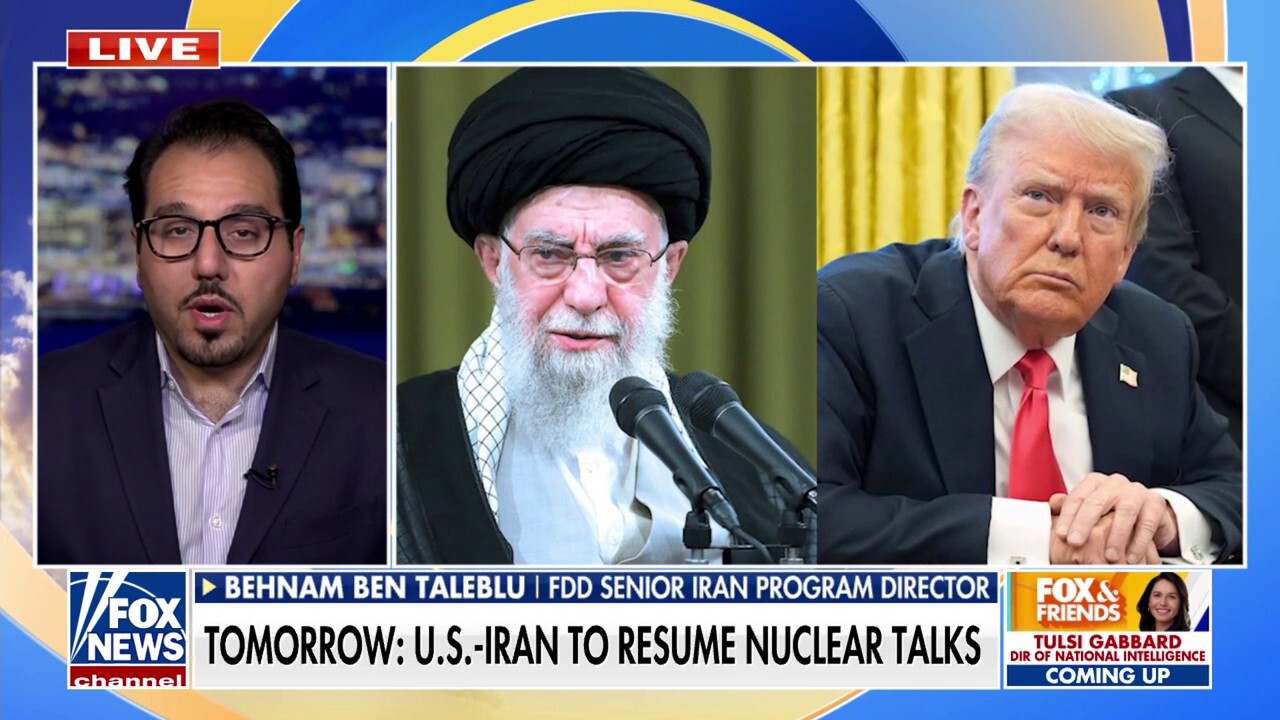
Iran’s corridors of power have hummed with urgency. In recent months, Tehran has launched a calculated diplomatic offensive—engaging regional rivals, courting global powers, and repositioning itself in a volatile geopolitical landscape. All the while, Donald Trump, even from outside the White House, has reiterated a central claim: the U.S. still holds the upper hand. “We have the cards,” he declared in a series of interviews and speeches. But as Iran expands its diplomatic footprint, the question isn’t just who holds the cards—but who’s reshaping the game.
The Timing Behind Iran’s Diplomatic Push
Iran’s flurry of diplomacy didn’t emerge in a vacuum. It’s a response to years of isolation, economic pressure, and regional containment. After the U.S. withdrawal from the JCPOA (Joint Comprehensive Plan of Action) in 2018 and the re-imposition of harsh sanctions, Iran’s economy contracted sharply. Inflation spiked, the rial plummeted, and public unrest simmered.
But rather than buckle, Iran shifted strategy. Instead of waiting for regime change or capitulation, it began actively rebuilding diplomatic bridges. This pivot is evident in:
- High-level visits to Beijing, Moscow, Doha, and Baghdad
- Reconciliation talks with arch-rival Saudi Arabia, brokered by China
- Expansion of trade corridors with Central Asian and African nations
- Increased engagement with non-aligned and Global South countries
In 2023, Iran normalized relations with Saudi Arabia after years of cold war-style hostility—a move that stunned analysts and signaled a broader recalibration. This wasn’t just about de-escalation; it was about survival through strategic realignment.
Trump’s “We Have the Cards” Narrative—What Does It Mean?
Trump’s assertion that the U.S. “has the cards” reflects a worldview rooted in unilateral leverage: maximum pressure, military readiness, and economic isolation. During his presidency, this doctrine led to the assassination of Qasem Soleimani, the targeting of Iranian oil exports, and the withdrawal from the nuclear deal.
His message now is consistent: U.S. sanctions have crippled Iran, American military presence in the Gulf remains dominant, and allies like Israel and Saudi Arabia continue to trust Washington over Tehran. In his view, diplomacy only works when Iran comes to the table from a position of weakness.
But there’s a flaw in that logic: cards only matter if they can be played effectively. And right now, Iran is reshuffling the deck.
The Limits of Sanctions as a Long-Term Strategy
Sanctions have undoubtedly hurt Iran. According to the World Bank, Iran’s GDP contracted by nearly 5% in the two years following the U.S. withdrawal from the JCPOA. Oil exports—a primary revenue source—dropped from 2.5 million barrels per day to under 300,000.
Yet, Iran adapted. It developed covert smuggling networks via Oman, the UAE, and third-party tankers. It turned to China, which quietly imported Iranian oil despite U.S. objections. By 2023, estimates suggest Iran was exporting over 1 million barrels per day—much of it unaccounted for in official channels.
More importantly, sanctions failed to change Iran’s behavior. Instead of retreating, Iran:

- Enriched uranium to near-weapons-grade levels
- Expanded its ballistic missile program
- Strengthened proxy networks in Iraq, Syria, Yemen, and Lebanon
Sanctions created pain, but not surrender. And as global appetite for U.S.-led containment wanes—especially among European allies and Asian economies—Washington’s leverage diminishes.
How Iran Is Winning the Diplomatic Chessboard
Iran’s current diplomatic campaign isn’t about charm; it’s about strategic depth. It’s playing a longer game by exploiting fractures in the Western alliance and building alternative partnerships.
China’s Role: A Game Changer The Saudi-Iran rapprochement, brokered by China in March 2023, was a geopolitical earthquake. For the first time, Beijing positioned itself as a mediator in Middle Eastern conflicts—traditionally a U.S. domain. The deal included:
- Reopening of embassies
- Restoration of security cooperation
- Commitment to non-interference
But behind the scenes, it cemented a deeper Iran-China strategic partnership. A 25-year cooperation agreement, signed in 2021, promises Chinese investment in Iranian infrastructure, energy, and technology—worth over $400 billion. In exchange, China secures long-term oil supplies and regional influence.
Russia and the War in Ukraine Iran’s ties with Russia have deepened amid Moscow’s isolation. Despite initial hesitation, Iran provided drones used in Ukraine—fueling Western criticism but strengthening military collaboration. This relationship gives Iran access to advanced defense technology and intelligence sharing, while Russia gains a critical partner in the Middle East.
Regional Outreach: From Iraq to Oman Tehran has also normalized relations with several Gulf states. Oman, long a neutral mediator, now hosts backchannel talks. Iraq—officially allied with the U.S.—allows Iranian influence through political and militia networks. Even in Syria, Iran-backed forces control key territories, ensuring Tehran a permanent foothold.
These moves don’t just reduce isolation—they create a network of leverage that counterbalances U.S. pressure.
Is Trump’s Leverage Still Relevant?
Trump’s emphasis on U.S. strength isn’t baseless. The U.S. still maintains:
- The largest military presence in the Persian Gulf
- Unmatched financial surveillance via SWIFT and OFAC
- Strong alliances with Israel and key Arab states
But leverage is only effective if it’s credible and sustainable. And here, Trump’s position faces three challenges:
- Domestic Divisions – U.S. foreign policy lacks continuity. One administration imposes maximum pressure; the next seeks re-engagement. Iran has learned to wait out U.S. political cycles.
- Global Multipolarity – Countries like China, India, and Turkey no longer automatically follow U.S. sanctions. They prioritize energy security and economic ties over alignment with Washington.
- Iran’s Resilience – The Iranian regime has survived worse. From the Iran-Iraq War to the Green Movement, it has proven adept at managing internal and external crises.
Trump may believe the U.S. holds the cards, but Iran is increasingly playing a different game—one where cards are less important than alliances.
The Nuclear Question: Stalemate or Breakthrough?
At the heart of U.S.-Iran tensions remains the nuclear program. Iran now possesses enough 60% enriched uranium to potentially produce multiple nuclear weapons—if it chooses to weaponize. That threshold has raised alarms in Jerusalem, Riyadh, and Washington.
Efforts to revive the JCPOA have stalled. The U.S. demands full compliance; Iran wants guarantees against future withdrawals and sanctions relief. Neither side trusts the other.

Yet, diplomacy persists—not through formal negotiations, but through backchannels. European envoys shuttle between capitals. Oman and Qatar host quiet talks. Even Swiss diplomats (representing U.S. interests in Iran) remain active.
The risk isn’t just nuclear proliferation—it’s miscalculation. A drone strike, a covert sabotage, or an escalation in Syria could ignite a broader conflict. And in that scenario, Trump’s “we have the cards” rhetoric may offer little comfort.
What This Means for the Future of U.S.-Iran Relations
The current moment isn’t about regime change or instant deals. It’s about endurance. Iran is betting that time is on its side—that U.S. attention will shift, sanctions will erode, and alliances will fragment. Trump’s insistence on American dominance may rally his base, but it doesn’t reverse these trends.
For policymakers, the lesson is clear: unilateral pressure has limits. Long-term stability requires a mix of deterrence, diplomacy, and regional coordination. That means:
- Clarifying red lines without overreliance on threats
- Engaging with European and Gulf partners on a shared strategy
- Using targeted sanctions, not blanket isolation
- Preparing for both negotiation and containment
Iran’s diplomatic surge isn’t a sign of weakness—it’s a sign of adaptation. And if the U.S. continues to rely solely on the belief that it “has the cards,” it may miss the fact that the rules of the game are changing.
Closing: A Call for Strategic Clarity
Iran’s diplomatic momentum isn’t a victory lap—it’s a survival strategy. Trump’s rhetoric may feel reassuring to some, but it doesn’t address the structural shifts redefining the Middle East. The U.S. still holds significant power, but power without strategy is wasted.
Moving forward, the focus must shift from slogans to substance. That means understanding Iran’s real goals, engaging allies as partners rather than subordinates, and recognizing that diplomacy isn’t surrender—it’s statecraft.
The cards may be in American hands, but the table is much bigger than Washington thinks.
FAQ
Why is Iran increasing its diplomatic efforts now? Iran is responding to years of sanctions and isolation by building alliances with non-Western powers, reducing regional tensions, and securing economic lifelines.
What does Trump mean by “the U.S. has the cards”? He refers to U.S. military strength, economic sanctions, and alliances, believing these give Washington decisive leverage over Iran.
Has the U.S. maximum pressure campaign failed? It pressured Iran’s economy but didn’t change its strategic behavior. Iran adapted through smuggling, alliances, and regional influence.
How has China influenced Iran’s diplomacy? China brokered the Saudi-Iran deal and signed a long-term strategic agreement, offering Iran investment and political support outside U.S. influence.
Can Iran be stopped from advancing its nuclear program? Not easily. Without a diplomatic breakthrough, Iran continues to enrich uranium closer to weapons-grade, reducing the time needed for a bomb.
Is military conflict likely between the U.S. and Iran? Not imminent, but risks grow with proxy confrontations, cyberattacks, or miscalculations in the Gulf or Syria.
What should U.S. policy focus on? A balanced approach: maintaining deterrence while pursuing realistic diplomacy, coordinating with allies, and addressing root causes of tension.
FAQ
What should you look for in Iran’s Diplomatic Surge Amid Trump’s Tough Stance on US Leverage? Focus on relevance, practical value, and how well the solution matches real user intent.
Is Iran’s Diplomatic Surge Amid Trump’s Tough Stance on US Leverage suitable for beginners? That depends on the workflow, but a clear step-by-step approach usually makes it easier to start.
How do you compare options around Iran’s Diplomatic Surge Amid Trump’s Tough Stance on US Leverage? Compare features, trust signals, limitations, pricing, and ease of implementation.
What mistakes should you avoid? Avoid generic choices, weak validation, and decisions based only on marketing claims.
What is the next best step? Shortlist the most relevant options, validate them quickly, and refine from real-world results.