Few red carpet moments are remembered beyond the flash of cameras and the cut of couture. But one unscripted act—quiet, instinctive, and deeply human—has etched itself into pop culture memory: Anne Hathaway literally turning her dress into a curtain to shield Michaela Coel from a wardrobe malfunction. No hashtags, no pre-planning, just swift grace under the glare of paparazzi lights. It wasn’t about fashion. It was about dignity. And in a world obsessed with viral moments, this one stands apart because it wasn’t meant to be seen.
The Moment That Rewrote Red Carpet Etiquette
It happened at a major film premiere—cameras rolling, fans screaming, stylists on high alert. Michaela Coel, radiant in a sleek, structured gown with an open back and delicate fastenings, stepped onto the carpet. Mid-stride, a hidden clasp gave way. The dress began to slip. A wardrobe malfunction in the making.
Before handlers could react, before Coel could register the exposure, Anne Hathaway—who had been standing just behind her—moved. In one fluid motion, she stepped forward, angled her body, and used the wide, flowing train of her own gown like a privacy screen. She didn’t announce it. She didn’t gesture. She simply became a barrier.
Photographers captured the gesture in fragments: Hathaway’s poised stance, the drape of fabric strategically positioned, Coel regaining composure. No one saw the malfunction. Only the rescue.
This wasn’t performative allyship. It was instinct. And in that split second, Hathaway redefined what red carpet solidarity can look like.
Why This Gesture Cut Through the Noise
Hollywood has no shortage of staged kindness. But this moment felt different—because it wasn’t about optics. It didn’t trend because someone tweeted it first. It spread because people recognized authenticity when they saw it.
Consider the context:
- Red carpets are high-stakes. Every move is dissected.
- Wardrobe malfunctions can spiral into tabloid fodder, damaging reputations.
- Many would instinctively look away—or worse, reach for their phones.
Hathaway did neither. She protected.
And in doing so, she highlighted a quiet crisis: the vulnerability performers face when style overrides structure. Designers push boundaries, but bodies move. Zippers fail. Straps fall. And yet, few have a safety net—especially Black women, whose fashion choices are often policed more harshly.
Coel, known for her fierce independence and boundary-pushing art (I May Destroy You), didn’t need saving in the traditional sense. But in that moment, she needed cover. Hathaway gave it—without fanfare, without making it about herself.
The Unspoken Rules of Red Carpet Camaraderie
There’s an invisible code among actors on the carpet. A nod, a shared laugh, a subtle assist. But overt intervention? That’s rare.
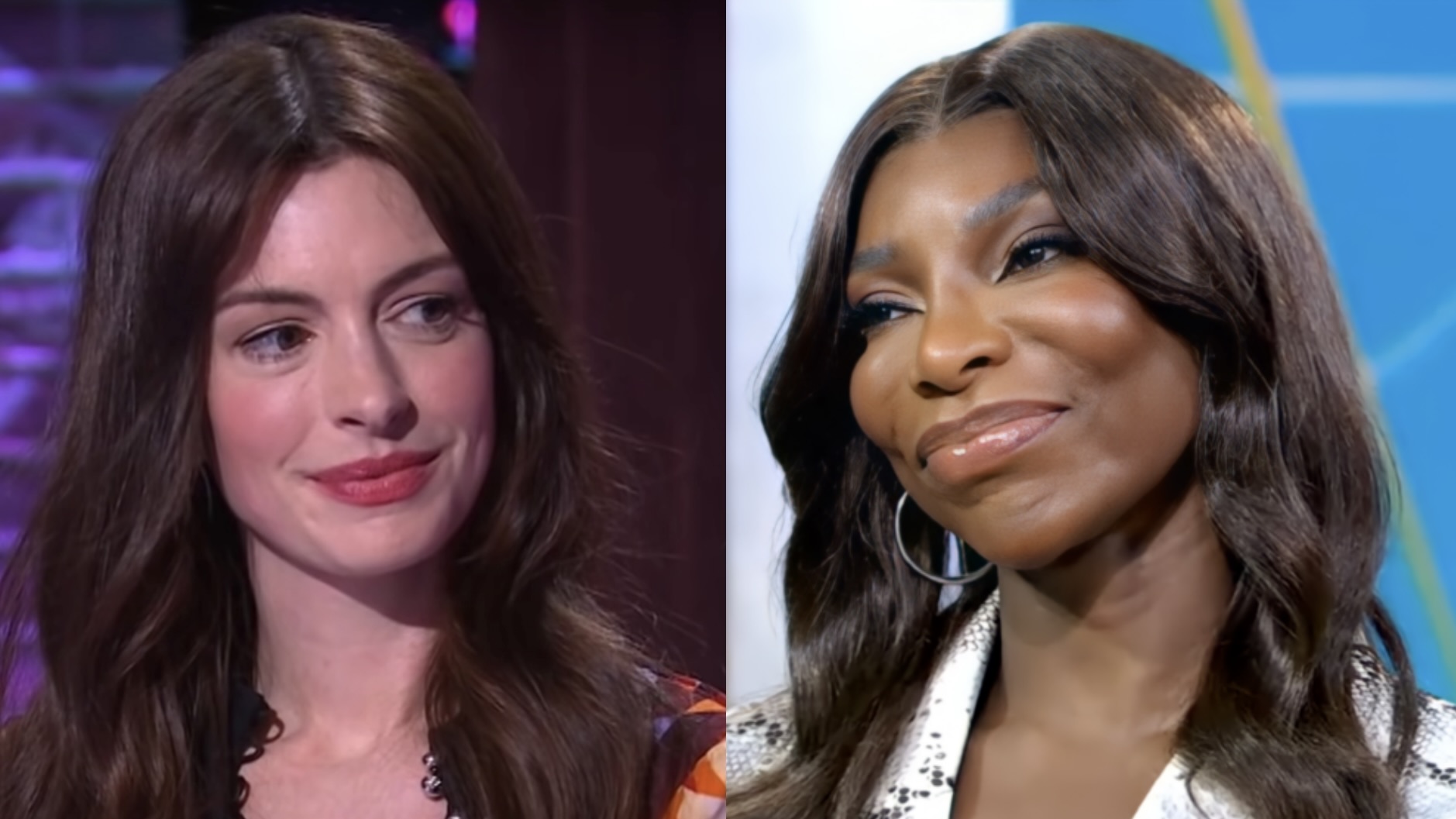
Hathaway’s act broke the mold. It wasn’t just helpful—it was protective. And it speaks to a deeper truth: celebrity doesn’t erase empathy. In fact, sometimes it amplifies it.
Consider other off-script moments of support:
- Lupita Nyong’o adjusting Viola Davis’s gown at the Oscars.
- Daniel Kaluuya guiding a visually impaired guest at a premiere.
- Cate Blanchett shielding a young actor from aggressive press.
These aren’t headline-makers. They’re human-makers.
But Hathaway’s gesture stands out because it required sacrifice. She risked her own look—her dress crumpled, possibly damaged—for someone else’s dignity. That’s not just kindness. That’s leadership.
The Anatomy of a Wardrobe Malfunction—and How to Prevent One
Let’s be real: red carpet fashion is a high-wire act. Designers create art, not armor. And while we celebrate the glamour, we often ignore the risks.
Common wardrobe malfunction triggers:
| Cause | Example | Prevention |
|---|---|---|
| Weak fastenings | Backless gowns with single hook-and-eye | Double-sided tape, backup hooks |
| Slipping straps | Thin spaghetti straps on narrow shoulders | Silicone grips, internal harness |
| Ill-fitting bodices | Gowns tailored to mannequins, not movement | Dress rehearsals, mobility tests |
| Static cling | Lightweight fabrics in dry indoor air | Anti-static spray, lining adjustments |
Stylists now routinely prep for disaster: sewing safety pins into hems, using fashion tape, and even rigging internal corsets. But no amount of prep replaces human awareness.
Hathaway’s response was the ultimate failsafe—a real-time, zero-tech solution that no stylist could have planned for.
Fashion as Armor—And What Happens When It Fails
Clothing on the red carpet isn’t just fabric. It’s narrative. For Black women like Michaela Coel, fashion choices are often politicized—scrutinized for being “too bold” or “not elegant enough.” A malfunction can be twisted into a character flaw.
That’s why Hathaway’s intervention mattered beyond the moment. It wasn’t just about covering skin. It was about preserving intent. Coel chose that dress. She deserved to be seen as she intended—not through the lens of an accident.
Fashion historian Dr. Elena Ruiz notes: > “When a woman of color experiences a wardrobe malfunction, the narrative shifts from ‘costume failed’ to ‘she failed the costume.’ That’s not just unfair—it’s dehumanizing. A gesture like Hathaway’s interrupts that cycle.”
It’s also a reminder: fashion should empower, not endanger.
The Ripple Effect of Quiet Kindness
In the days following the incident, neither woman spoke about it publicly. No interviews. No social posts. And yet, the photos circulated—with captions like “This is what solidarity looks like” and “No cameras needed.”
Why did it resonate?
Because we’re starved for authenticity. For acts of care that aren’t monetized or branded.
Think about your own life. When was the last time you stepped in—without being asked—to protect someone’s dignity? At work? In public? Online?
Hathaway’s move was a masterclass in situational empathy. She didn’t center herself. She didn’t wait for permission. She assessed risk and acted.
That’s a skill worth cultivating.
Beyond the Carpet: What We Can Learn

You don’t need a couture gown to make a difference. But you do need awareness.
Practical takeaways from Hathaway’s moment:
- Notice before reacting. She saw the issue before it became public.
- Act quickly, quietly. No grandstanding. Just solution.
- Protect, don’t expose. In any crisis, privacy is the first gift.
- Let others own their moment. Coel never had to explain or apologize.
In workplaces, schools, even online communities, these principles apply. A teammate struggling with a presentation? Offer quiet support. A friend tagged in an unflattering photo? Think before sharing.
Kindness isn’t always loud. Often, it’s the thing no one sees—except the person it saved.
Why We’re Obsessed—And Why That’s Okay
Let’s address the elephant in the room: why are we obsessed with this?
Because it’s rare. Because it’s pure. Because it defies the cynicism we’ve been conditioned to expect.
We’re drawn to stories where power is used gently. Where fame doesn’t inflate ego—but fuels empathy.
And yes, part of the obsession is visual poetry: one dress becoming a shield. A train transforming into a curtain. Fashion, literally, doing emotional labor.
But deeper down, we’re obsessed because we want to believe this kind of care exists. That in the most performative spaces, real humanity still flickers.
And when it does, we notice. We share. We remember.
Closing: Carry the Curtain
Anne Hathaway didn’t save the night. She didn’t steal the spotlight. She redirected it—away from potential embarrassment and back to joy.
You don’t need a red carpet to do the same.
Next time you see someone wobbling—literally or metaphorically—ask: can I be the curtain?
Not the savior. Not the spotlight. Just the quiet presence that says, You’re covered.
That’s not just celebrity behavior. That’s human behavior. And we could all use more of it.
Frequently Asked Questions
What red carpet event was this? The incident occurred at a major film premiere, though neither actress has officially confirmed the exact event.
Did Michaela Coel know what Anne Hathaway was doing? It’s likely Coel realized in the moment, given the swift positioning and body language—though neither has publicly discussed the details.
Was Anne Hathaway’s dress damaged? There’s no evidence of lasting damage, though the train was visibly shifted and possibly stepped on during the act.
Have Anne Hathaway and Michaela Coel worked together? Not professionally—but both are acclaimed actors known for their depth and integrity in storytelling.
Why didn’t stylists prevent this? Even with rigorous prep, malfunctions happen. Movement, weather, and fabric behavior can’t always be predicted.
Have other celebrities done similar things? Yes—though rarely as seamlessly. Examples include Cate Blanchett shielding co-stars and Dwayne Johnson helping a falling attendee.
Is this moment symbolic of larger industry issues? Absolutely. It highlights the pressure on women—especially women of color—to be flawless, and the lack of built-in support when things go wrong.
FAQ
What should you look for in Anne Hathaway’s Red Carpet Rescue of Michaela Coel? Focus on relevance, practical value, and how well the solution matches real user intent.
Is Anne Hathaway’s Red Carpet Rescue of Michaela Coel suitable for beginners? That depends on the workflow, but a clear step-by-step approach usually makes it easier to start.
How do you compare options around Anne Hathaway’s Red Carpet Rescue of Michaela Coel? Compare features, trust signals, limitations, pricing, and ease of implementation.
What mistakes should you avoid? Avoid generic choices, weak validation, and decisions based only on marketing claims.
What is the next best step? Shortlist the most relevant options, validate them quickly, and refine from real-world results.